
Applications / Aviation
Aviation
Lightweight Pressure Vessels for Aviation & Life-Support Systems
- Oxygen & emergency breathing
- Pneumatic & stored-gas systems
- Inspection & requalification

Lightweight Pressure Vessels for Aviation & Life-Support Systems
Aircraft systems benefit directly from reducing pressure-vessel mass while maintaining reliability and serviceability. Steelhead supports aviation oxygen, emergency breathing, pneumatic, fire-suppression and other stored-gas applications with Type III and Type I pressure vessels, plus testing and requalification expertise.
Relevant Steelhead Solutions.
Choose a starting point, then review the configuration around the program.
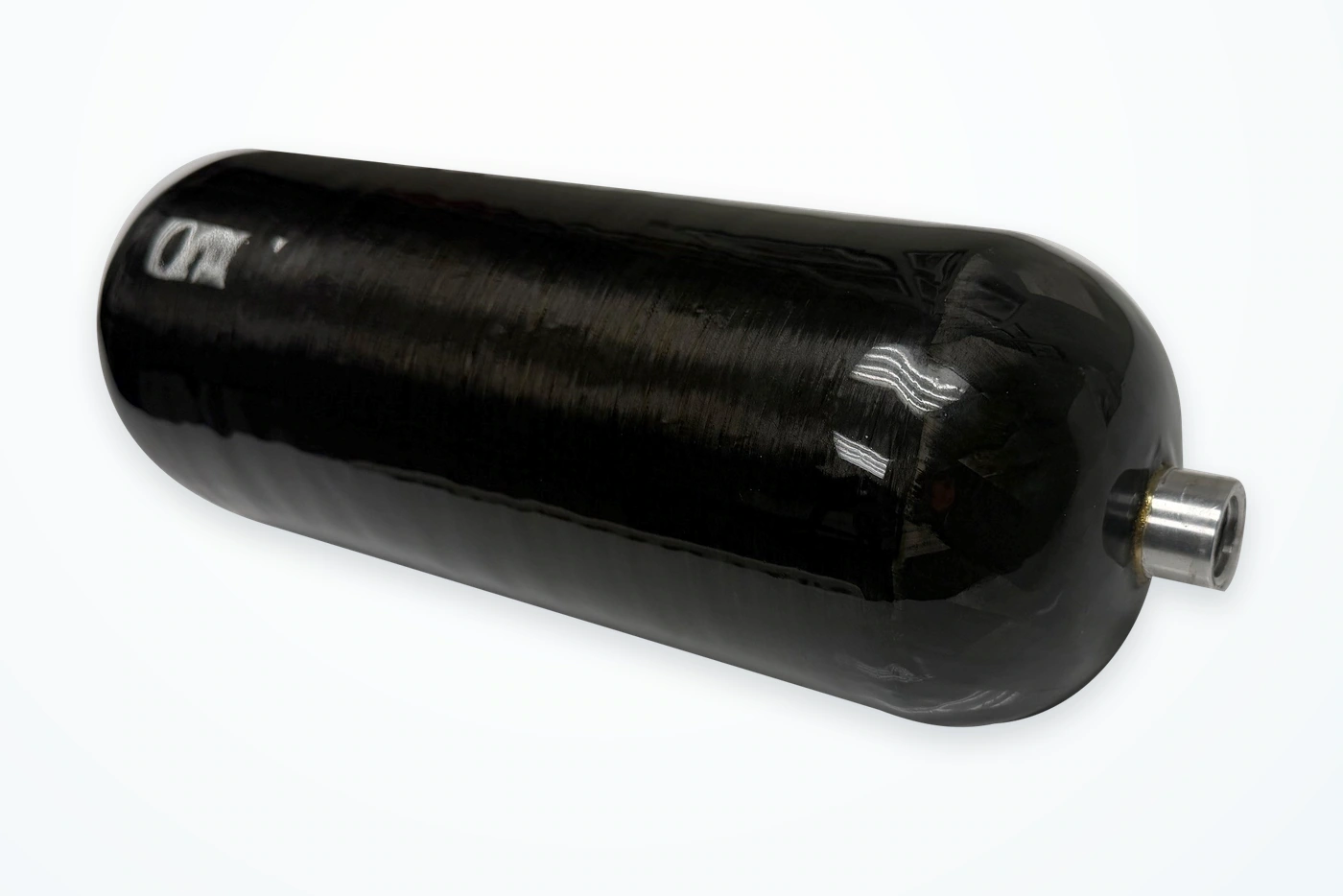
Compact Type III COPVs
Lightweight aerospace pressure storage
Review compact composite platforms around mass, packaging and the application’s stored-gas requirements.
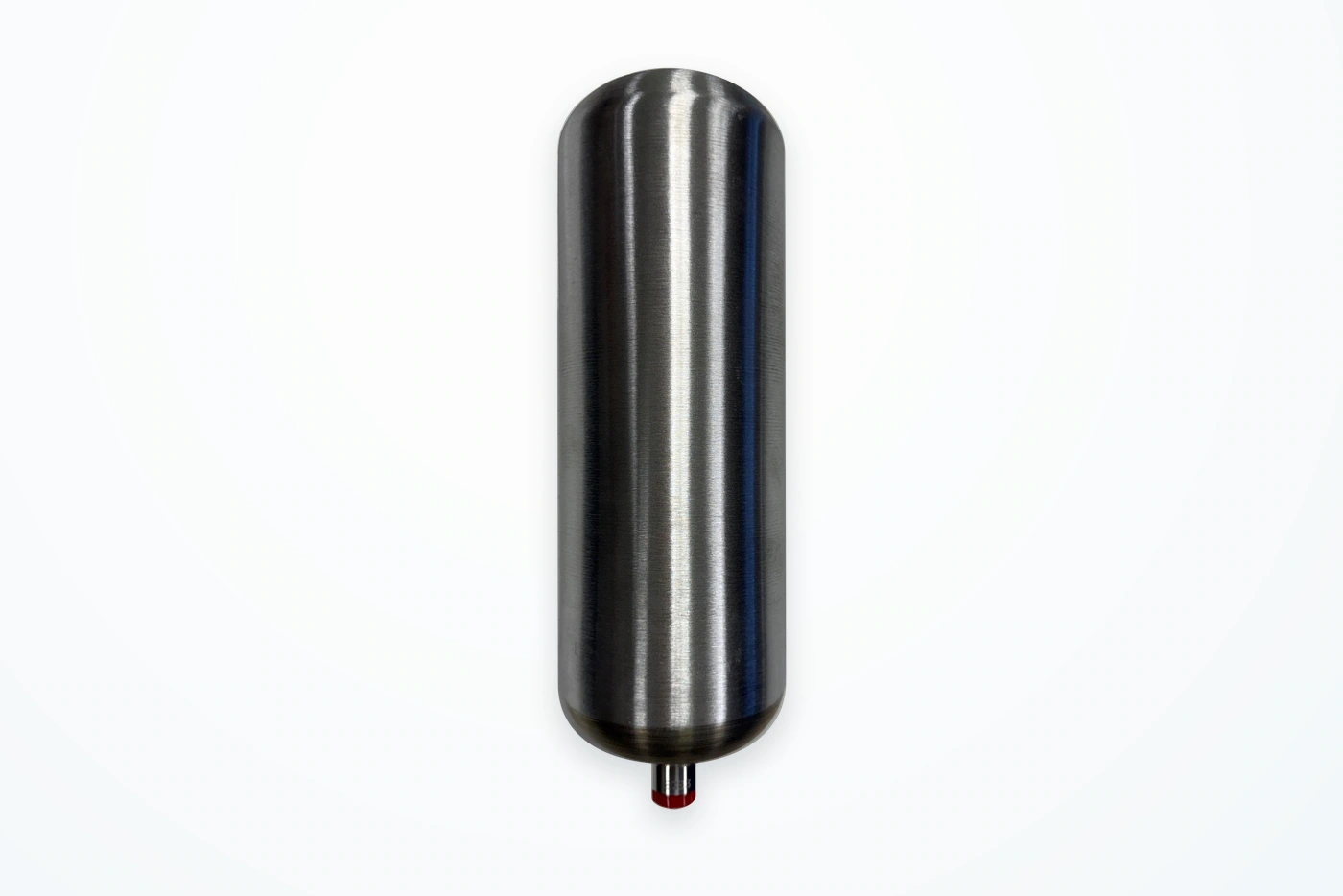
Type I Aluminum Vessels
All-metal aerospace architecture
Evaluate Citadel where compatible pressure ranges and interfaces favor an aluminum pressure-retaining shell.

Testing & Requalification
Program-specific verification
Qualification support, inspection and requalification pathways for applicable aviation pressure-vessel systems.
Aircraft oxygen, emergency breathing, high-pressure pneumatics, fire suppression and other stored-gas systems have application-specific requirements. Confirm the contents, configuration, inspection requirements and approval basis with Steelhead.

Program-focused engineering
Review the Vessel and the Service Requirements Together.
Pressure-vessel selection includes more than mass and volume. Start with the gas, operating environment, system interfaces, service life and qualification requirements, then establish the appropriate inspection and test path.
Start With the Mission Requirements.
Share the pressure, gas or fluid, volume, envelope, mass target, operating environment, interfaces, qualification basis, quantities and schedule. Steelhead can help identify an existing platform or define a development path.
Application & contents
The mission, gas or fluid, and intended function.
Pressure & volume
Operating pressure, stored volume and duty cycle.
Mass & packaging
The available envelope, mass target, ports and mounting.
Environment & qualification
Operating environment, qualification basis and applicable requirements.
Hardware & quantities
Prototype needs and anticipated production quantities.
Program schedule
Development milestones and target delivery dates.
Start with the requirement
Bring Us the Mission.
Talk with Steelhead’s aerospace engineering team about the application rather than forcing the program into a catalog product.